
This article contains affiliate links. If you buy through them, MyrinNew.com may earn a commission at no extra cost to you.
🕒 4 min read
If you operate PHP servers and have been putting off your security updates, this is a time to panic—and then get to work.
An alert from Sansec got my attention. Two critical vulnerabilities in PHP itself. The potential for attackers to execute code without logging in. An emergency release. And a disclosure process that started unraveling before everyone could get protected. Sansec’s advisory
I successfully patched multiple servers and ensured additional security measures were in place. I’m keeping the operational details private. What deserves discussion is how we got here—and why this incident has strengthened my confidence in AI’s role in securing code.
Affiliate pick: tech accessories
Belkin US
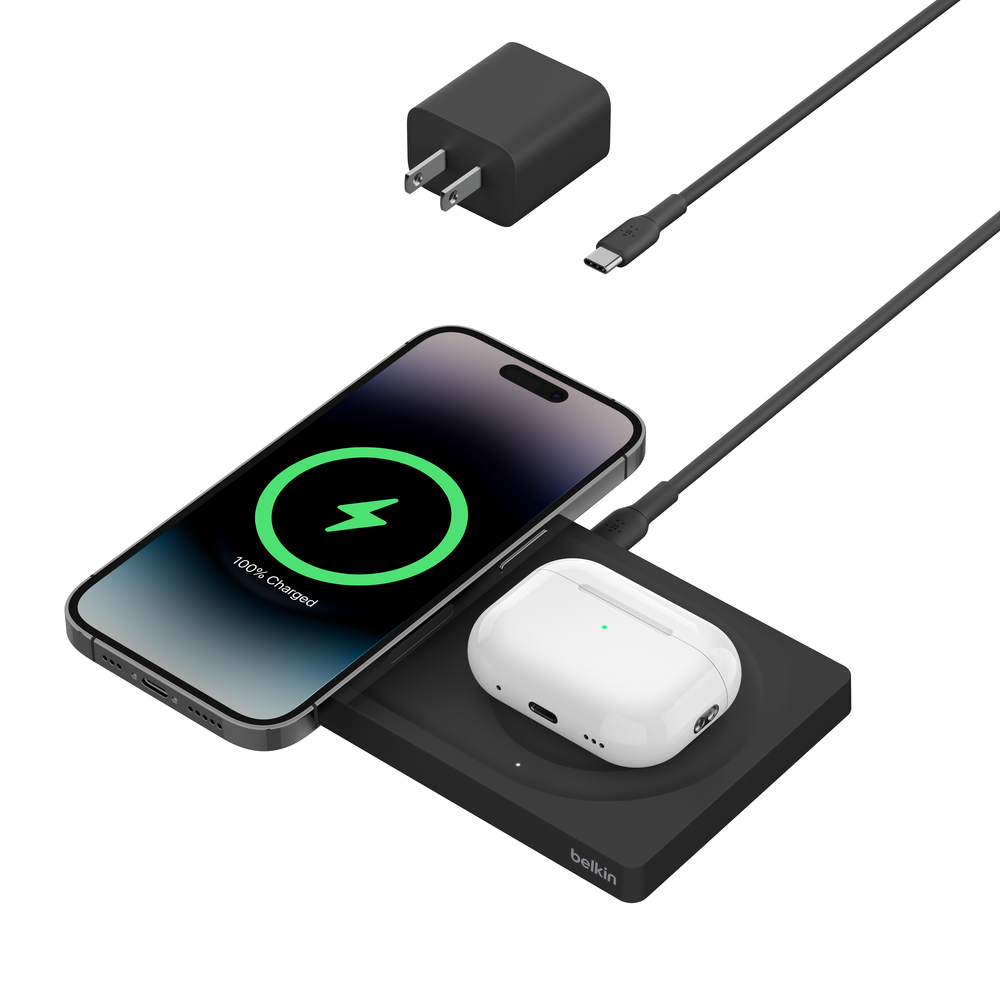
Belkin BoostCharge Pro 2-in-1 Wireless Charging Pad with Official MagSafe Charging 15W, Black
"BOOSTCHARGE PRO 2-IN-1 PAD WITH MAGSAFE BLACK"," | Belkin BoostCharge Pro 2-in-1 Wireless Charging Pad with Official MagSafe Charging 15W, Black
$44.99
$79.99
Price as of October 23, 2026
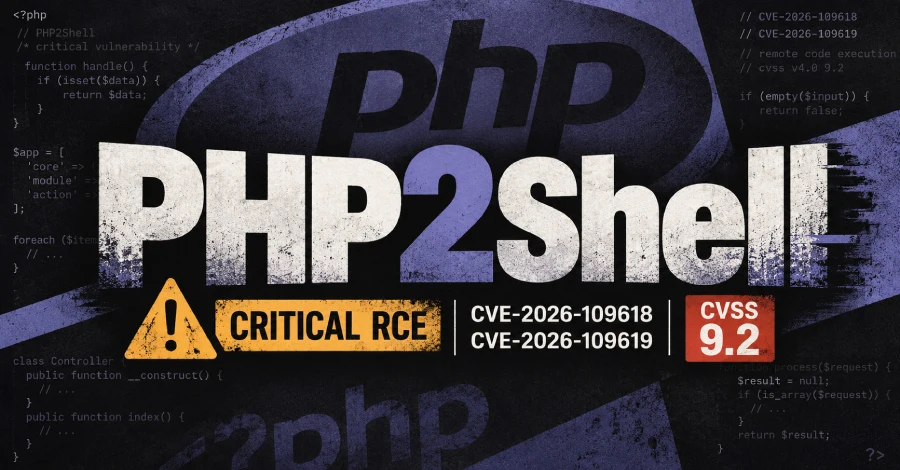
The vulnerabilities are collectively called PHP2Shell: CVE-2026-109618 and CVE-2026-109619, each rated 9.2 under CVSS v4.0. They involve memory corruption and stale internal state after interrupted requests. Under the right conditions, an unauthenticated attacker can turn those failures into remote code execution. PHP considers installations serving web requests at risk, with demonstrated attacks reaching Apache’s mod_php before application code runs. PHP’s security advisory
Your application can be carefully written and still inherit a dangerous flaw in the engine underneath it.
AI made a difficult attack practical
OpenAI reports that Calif identified a critical PHP flaw using GPT-5.6 Sol through its Patch the Planet initiative. It says that, to its knowledge, frontier AI found these vulnerabilities before attackers did. That qualification matters: “before known attackers” does not mean “impossible for a human to discover.” OpenAI’s account
Wiz independently researched the vulnerabilities using Wiz Atlas, Gemini 4 Argon, and GPT-5.6 Sol. Its researchers describe AI helping analyze failures, test adjustments, and adapt complex exploits across different applications and memory layouts. Wiz also credits AI with helping validate the patch. Wiz’s research
That is the part that should command everyone’s attention. AI can make repeated investigation and testing practical at a speed that changes the defender’s workload—and the attacker’s opportunities.
But human expertise still shaped the discovery. Calif’s researcher describes using knowledge of PHP’s vulnerability history to direct the investigation. Calif’s account
Who actually fixed it?
PHP’s maintainers led the fixes and release, supported by research partners and AI tools. The public accounts do not establish that AI independently authored the complete production fix. OpenAI’s account
There is an uncomfortable history here, too. A PHP developer identified signs of the underlying out-of-memory problem following a 2024 audit. Fixes stalled over difficult trade-offs and limited resources. The PHP Foundation acknowledges that failure and says people make the decisions and work on every patch. PHP Foundation’s account
I see compelling evidence for giving AI a much larger role in finding flaws and testing repairs. Claiming this incident proves AI patches code better than every human would go beyond the evidence.
Then the disclosure process broke down
According to the PHP Foundation, CVE identifiers circulated on October 20, initially without technical details. PHP moved the scheduled release from October 22 to October 21. Calif then mistakenly published a demonstration video, and Chainguard subsequently published fixed images before the coordinated release, exposing the binary fix to analysis. PHP Foundation’s disclosure timeline
This is where my patience runs out. If you hold sensitive information during a coordinated response, stop running your mouth and honor the release plan.
Premature disclosure can hand attackers clues while administrators are still waiting for deployable updates. But permanent silence cannot secure public code. Attackers can investigate independently, and they can use AI too. My demand is discipline: protect the preparation window, then give operators clear information they can act on.
The patch cannot wait
PHP released 8.2.35, 8.3.36, 8.4.27, and 8.5.12 to address these vulnerabilities. Operators using distribution or commercial packages should confirm the applicable vendor fix. Older installations need an upgrade or verified backport; PHP also supplied minimal source backports for 7.4, 8.0, and 8.1. Temporary mitigations offer incomplete protection. Updating is the complete solution. PHP’s update instructions
Today, I’m putting more trust in AI’s ability to interrogate code than in assurances that a flaw is too complicated to exploit. I want AI examining assumptions, generating tests, and challenging fixes before an attacker does.
Humans found warning signs. AI helped turn difficult possibilities into demonstrable attacks. Maintainers delivered repairs. Disclosure failures shortened everyone else’s time to respond.
That is plenty of reason to panic if you are still unpatched.
Then verify that the fix is actually running.