


This article contains affiliate links. If you buy through them, MyrinNew.com may earn a commission at no extra cost to you.
🕒 4 min read
Someone selects several items in an admin screen and clicks Delete. A dialog asks whether they are sure. The list behind it is dimmed, the names are hidden, and both buttons have short labels. The person must remember what was selected and guess how far the deletion reaches. A confirmation step should give them enough information to check the decision before they commit.
Name the object and the consequence
Begin with the actual action. For an illustrative project tool, a heading such as “Delete the West office project?” is more informative than a generic request to confirm. Explain whether the action also removes tasks, attachments, and other people’s access. If the operation only removes the current person’s shortcut, use language that says so. The verbs archive, remove, leave, and delete describe different outcomes.
For a bulk operation, show the count and a way to review the selection. Mention any objects the user cannot delete and how a partial result will be handled. Recheck the selected items when the confirmation opens if the list can change underneath it. The user should be able to match the final description to the choice they just made, including a choice made through a filter.
Affiliate pick: tech accessories
Belkin US
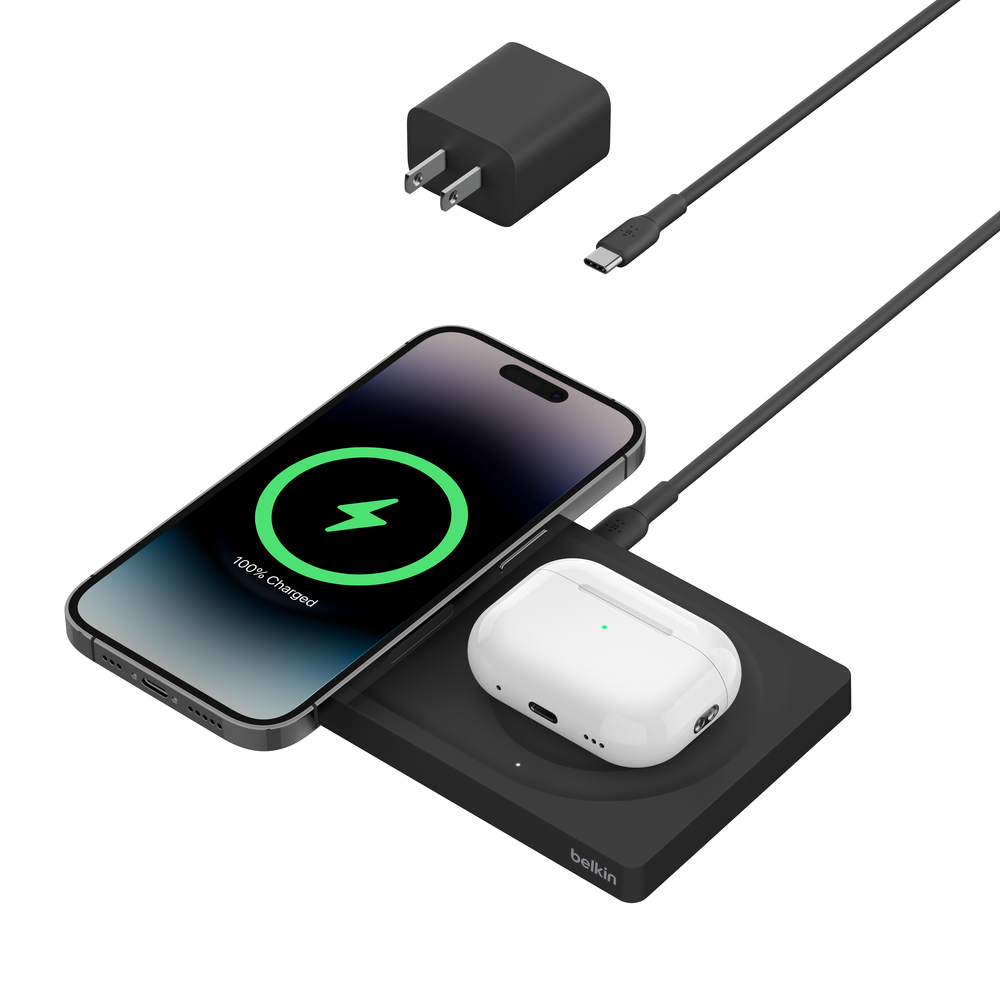
Belkin BoostCharge Pro 2-in-1 Wireless Charging Pad with Official MagSafe Charging 15W, Black
"BOOSTCHARGE PRO 2-IN-1 PAD WITH MAGSAFE BLACK"," | Belkin BoostCharge Pro 2-in-1 Wireless Charging Pad with Official MagSafe Charging 15W, Black
$44.99
$79.99
Price as of November 23, 2026
Make recovery part of the interaction
Decide what happens after a mistake before writing the warning. A recoverable deletion can offer a clear restore route and a truthful retention period. Explain where the item goes and who can recover it. If recovery requires an administrator, make that dependency visible. A button labeled Undo needs to reverse the relevant effect, including related changes that the person would reasonably expect it to restore.
The W3C explanation of error prevention describes reversibility, checking, or confirmation for actions within the success criterion’s scope, including changes to stored user-controllable data. These are practical options to consider when choosing how to protect an important action. A review step can help when reversal is difficult. A well-designed restore function can also reduce the cost of a simple mistake.
Match the interruption to the consequence. Frequently repeated, easily reversible actions may work well with clear feedback and recovery. Permanent operations affecting a whole workspace merit a fuller review. Ask people to verify information that matters, such as the workspace name and affected records. Extra clicks earn their place when they help someone notice a meaningful error.
Make both choices understandable and reachable
Give the final button a specific action label. “Delete project” tells the person what their click will do. Put a clear way to cancel beside it. Use visual emphasis consistently so the appearance supports the words. The GOV.UK button guidance reserves warning buttons for serious destructive consequences and advises using them sparingly. Applying the same alarming treatment to routine actions makes the important warning harder to recognize.
If you use a modal dialog, test the keyboard route from opening it to leaving it. Focus must enter the dialog, stay within it while it is open, and return to an appropriate place afterward. The U.S. Web Design System modal guidance includes focus management and testing considerations. A user who cancels should be able to continue from where they were working. After a successful deletion, return focus somewhere meaningful if the original item has disappeared.
Affiliate pick: workspace accessories
Belkin US
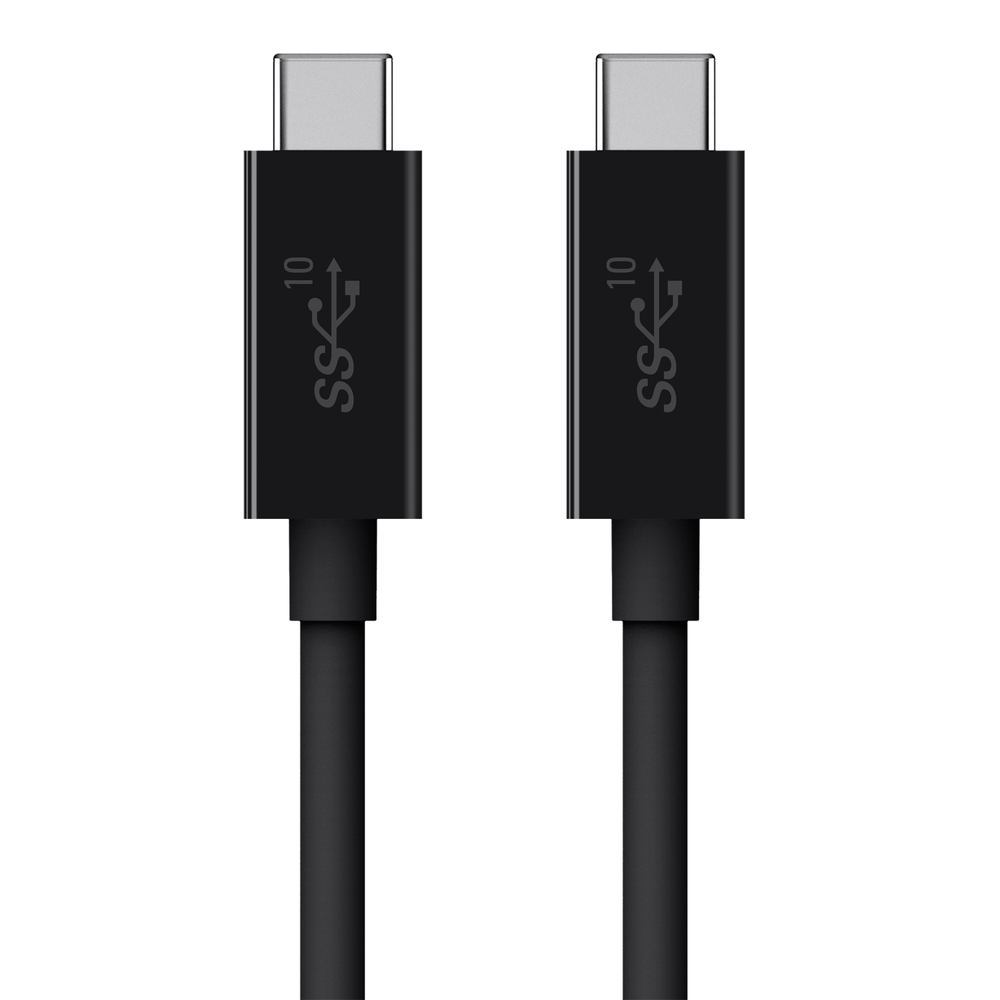
3.1 USB-C to USB-C Data Transfer Charging Cable | Belkin, Black
$(document).ready(function(){ $(\"#usb_c_pencil-banr\").load(\"/resources/static-pages/belkin-usb-c.html #us\");$(\"#usb_c_cable_finder\").load(\"/resources/static-pages/belkin-usb-c_cable_finder.html #us\"); }); THE ULTIMATE USB CONNECTIONThe Belkin 3.1 USB-C to USB-C Data Transfer Charging Cable allows you to experience up to 10 Gbps transfer speeds,…
$24.99
$29.99
Price as of November 23, 2026
Test the outcome as carefully as the question
Try one item, many items, an empty selection, and a selection that changes before confirmation. Use a keyboard and a narrow screen. Read the text aloud and ask whether it identifies what will disappear, who will be affected, and how recovery works. Check what happens when one object is locked or the server fails after processing only part of the request. Ask a colleague who did not write the interface to explain the result in their own words. Their explanation can reveal an assumption about deletion or recovery that the dialog never actually states.
The result message needs the same precision as the confirmation. Say which items were deleted and which remain, and provide the next step for anything unresolved. If the outcome is uncertain, offer a way to check it before repeating the operation. Start with one consequential action in your own workflow and walk through the entire sequence. If your team needs help reviewing it, describe the action and its recovery behavior through the contact page.