


This article contains affiliate links. If you buy through them, MyrinNew.com may earn a commission at no extra cost to you.
🕒 4 min read
A technical SEO audit can verify that a page responds, has a canonical URL, and exposes useful metadata. It cannot prove that Google has indexed the page, that readers trust the author, or that a change has increased revenue. Those require different evidence.
During the October 2026 Tech Morsels cleanup, 99 URLs were checked: published articles, public pages, category archives, the legacy blog alias, robots.txt, and the sitemap. That work produced a useful case study in keeping technical observations separate from search outcomes.
Start with what a crawler can establish
The initial checks found conflicting canonical tags on the blog hub, missing canonicals on other categories, public design templates in the sitemap, and an H1 heading repeated in the shared footer. Every audited article had more than one H1.
Affiliate pick: tech accessories
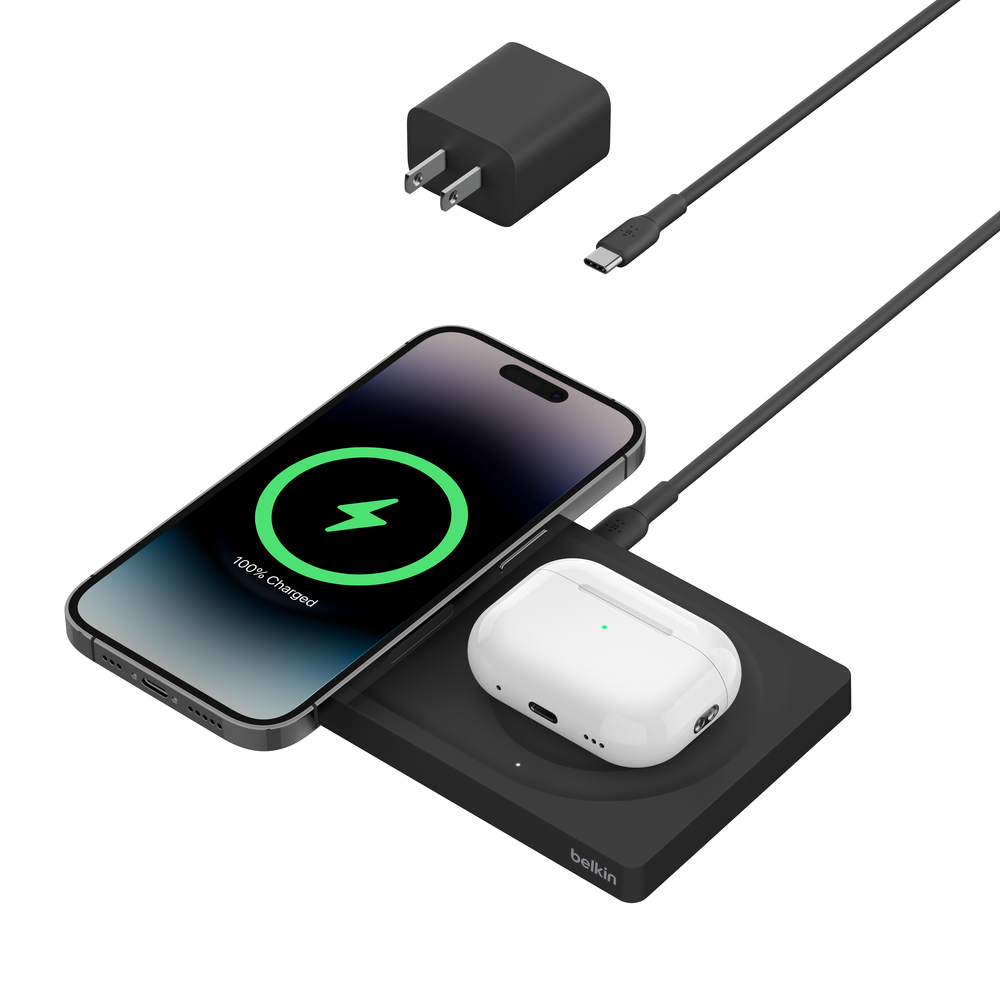
Belkin US
Belkin BoostCharge Pro 2-in-1 Wireless Charging Pad with Official MagSafe Charging 15W, Black
"BOOSTCHARGE PRO 2-IN-1 PAD WITH MAGSAFE BLACK"," | Belkin BoostCharge Pro 2-in-1 Wireless Charging Pad with Official MagSafe Charging 15W, Black
$44.99
$79.99
Price as of November 17, 2026
These were observable properties of the responses. They justified specific repairs. They did not establish how much traffic any individual issue had cost. A useful audit should preserve that distinction rather than assigning an invented revenue loss to every warning.
Verify the change with the same definitions
The follow-up crawl used the same URL set. It found no missing or duplicate canonicals on the audited HTML pages, no duplicate description tags, and no article responses with multiple H1s. The blog hub also received visible topic and author links.
Those are verified technical improvements. A single H1 is a clear editorial hierarchy; it is not a magic ranking switch. Similarly, a concise description is useful metadata, but it does not compel a search engine to use that exact wording in a result.
Check the response readers actually receive
A saved Composer layout and a cached public page can temporarily disagree. In this case, an older cached hub hid updated navigation. The saved layout, its editor copy, and the final public response all needed checking.
This is why “the setting is saved” is not a complete test. Inspect the canonical URL as a logged-out reader would receive it. Check the title, headings, links, and metadata in the response, then make sure a subsequent editor save will not restore an older layout copy.
Affiliate pick: workspace accessories
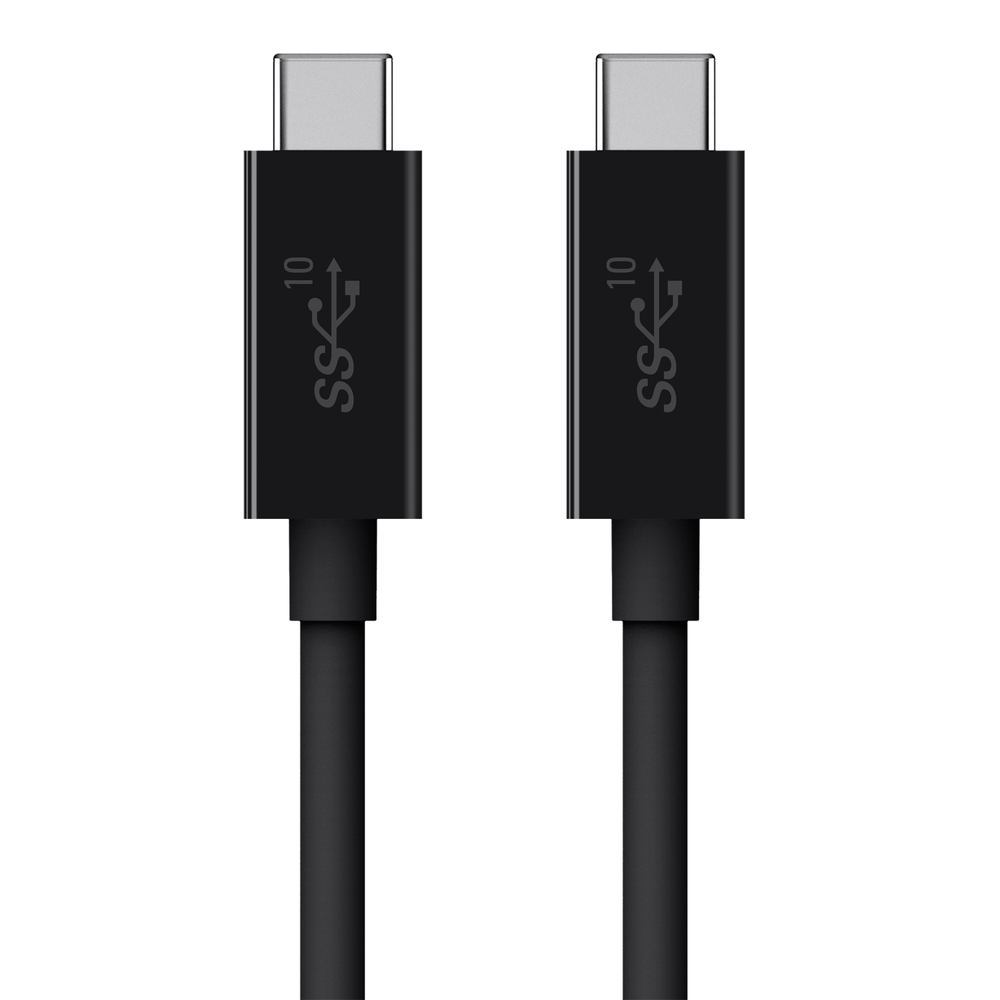
Belkin US
3.1 USB-C to USB-C Data Transfer Charging Cable | Belkin, Black
$(document).ready(function(){ $(\"#usb_c_pencil-banr\").load(\"/resources/static-pages/belkin-usb-c.html #us\");$(\"#usb_c_cable_finder\").load(\"/resources/static-pages/belkin-usb-c_cable_finder.html #us\"); }); THE ULTIMATE USB CONNECTIONThe Belkin 3.1 USB-C to USB-C Data Transfer Charging Cable allows you to experience up to 10 Gbps transfer speeds,…
$24.99
$29.99
Price as of November 17, 2026
Use Search Console for Google’s view
A reachable URL is not the same as an indexed URL. Search Console’s page-indexing reports and URL inspection provide another layer of evidence. Excluded pages are not automatically failures: redirects, duplicate alternatives, utility pages, and intentionally noindexed material may belong outside search results.
For performance, record the date range, search type, clicks, impressions, and which property is being measured. Compare like periods and keep track of new publishing or major site changes. A small baseline is still a baseline; it should not be replaced with an optimistic estimate.
Use analytics for behavior, and attribution for sales
An affiliate click records an interaction, not a purchase. An analytics session does not establish that a visitor read every paragraph. Define each event according to the question it can answer and honor the site’s consent choices.
The Tech Morsels event implementation records an article path and destination domain for affiliate clicks, omitting destination query strings. Its consent checks were tested. Confirming delivery in the Analytics property is a separate validation step from testing the event code.
Authority needs editorial evidence
The audit also found an Apple headline attached to Uber content and a short historical post linked to a domain now serving unrelated material. These are editorial trust issues. A more polished schema graph would not make them accurate.
Google’s people-first content guidance emphasizes useful original work, clear sourcing, and information about who created it. The practical response is to correct mistakes, date historical claims, explain methods, and publish work that helps a defined reader finish a real task.
A useful reporting habit
- Observed: what the page or report showed.
- Changed: the precise repair and deployment date.
- Verified: the check that confirmed the repair.
- Unproven: the outcome that still needs data or time.
That four-part record makes an SEO program easier to trust. It also makes it easier to improve, because the next person can see where the evidence stops.
Prepared with AI assistance using the documented site audit. The figures describe that audit’s URL set and checks, not an independent assessment of the entire web or a guarantee of ranking improvement.