
🕒 4 min read
The Lab:
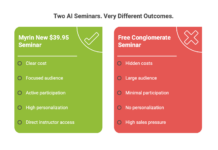
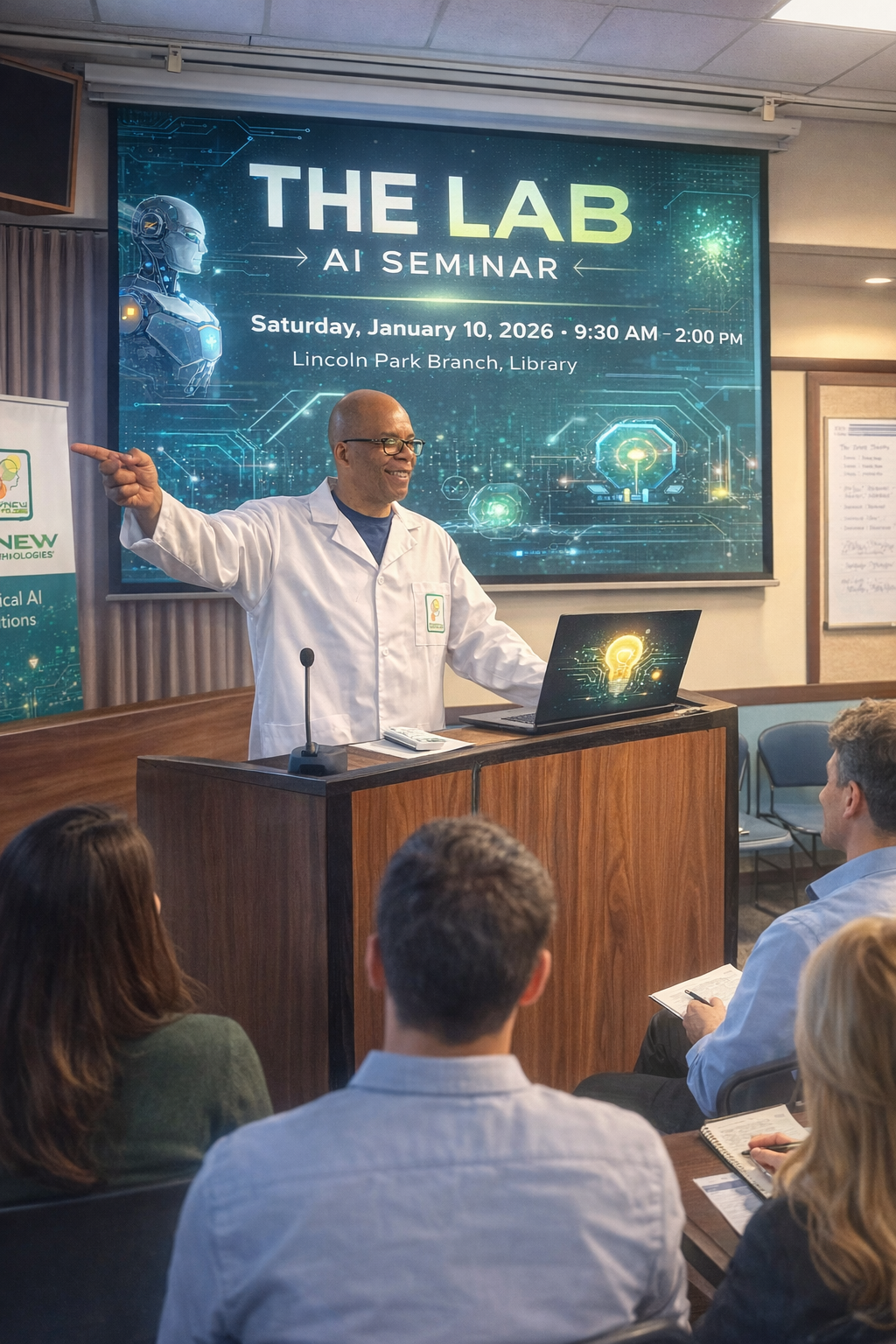
For most people, artificial intelligence feels like something happening to them instead of something they can actively use. It’s talked about as disruption, replacement, or acceleration—rarely as a personal tool that can be shaped, directed, and refined. That gap between fear and usefulness is exactly where The Lab was born.
This seminar is not about chasing trends or memorizing tools. It’s about understanding how AI actually behaves, learning how to communicate with it effectively, and then using that understanding to scale what you already do well. AI doesn’t replace human strengths—it amplifies them when used correctly.
Why AI Prompting Is a Skill, Not a Trick
Most frustrations with AI come from treating it like a search engine or a magic answer machine. When people ask vague questions, they get vague results. When they provide no context, they get generic responses. This isn’t a failure of AI—it’s a misunderstanding of how it works.
Prompting is not about clever wording. It’s about structure, intent, and clarity. AI responds to patterns, probability, and context, not understanding. Once you grasp that, the conversation changes entirely. You stop asking AI to think for you and start guiding it to think with you.
This is where my work in AI prompting stands out. I don’t teach people what to ask—I teach them how to think before they ask. That mindset shift is the difference between occasional usefulness and consistent leverage.
The Workbook Mentality: Learning by Doing
The Digital AI Workbook used in The Lab isn’t a reading exercise. It’s a thinking framework. Each section is designed to slow participants down just enough to clarify what they want, why they want it, and how AI can assist without distorting their intent.
Instead of overwhelming attendees with features, the workbook focuses on mental models: defining roles, setting boundaries, and establishing outcomes. These models transfer across every AI platform, which is why participants leave with skills that don’t expire when tools change.
AI becomes far more useful when you treat it like a system that needs guidance rather than a brain that needs questions.
Reusable Prompts Are Personal Assets
One of the biggest misconceptions about AI is that value comes from one-off interactions. In reality, the real leverage comes from reusability. A strong prompt isn’t something you use once—it’s something you refine, store, and reuse.
The Reusable AI Prompt Library taught in The Lab treats prompts as assets. Each prompt is designed around a role—advisor, editor, strategist, analyst—rather than a task. This allows people to apply the same prompt across dozens of scenarios with consistent results.
When prompts become tools instead of questions, AI stops being reactive and starts becoming dependable.
Exclusive AI Tools That Respect Human Judgment
Not all AI tools are designed to support human thinking. Many attempt to replace it. The tools introduced in The Lab are different by design. They exist to clarify, challenge, and organize—not to override judgment.
These tools act like cognitive extensions. They help surface blind spots, test assumptions, and explore alternatives without stripping away agency. Participants learn how to use AI as a collaborator rather than a decider.
This approach is especially powerful for professionals, entrepreneurs, and creatives who already have experience but need scale—not replacement.
Why Building a Simple Web App Changes Everything
One of the most eye-opening moments in The Lab comes when participants build a simple web app without coding. This isn’t about becoming a developer—it’s about understanding ownership.
When people realize that software is simply rules, structure, and intent expressed clearly, the intimidation disappears. AI becomes a bridge instead of a barrier. Attendees leave understanding that they can shape tools instead of waiting for them.
This moment often reframes how people see technology—and themselves.