


This article contains affiliate links. If you buy through them, MyrinNew.com may earn a commission at no extra cost to you.
🕒 6 min read
Truth Still Matters Even When the Algorithm Disagrees
We are living in an era where information moves faster than verification. A rumor can travel the world before the truth finishes putting on its shoes. Social media rewards speed, outrage, and certainty, not accuracy or nuance. That reality makes truth in news, truth in reporting, and truth in social media more important than at any other point in modern history.
At MyrinNew.com, and especially within TechMorsels, I approach technology, media, and AI from a simple but non negotiable position. Truth comes first. I, Myrin New, operate in the truth by relying on credible reporting, primary sources, documented evidence, and reputable outlets that have something to lose if they get it wrong. Credibility matters. Accountability matters. Accuracy matters.
Artificial intelligence does not replace human judgment, but when used correctly, it dramatically improves our ability to verify claims, cross check narratives, and expose misinformation. The problem is not that tools do not exist. The problem is that many people do not know how to use the tools already in their pockets.
Affiliate pick: tech accessories

Belkin US
Belkin BoostCharge Pro 2-in-1 Wireless Charging Pad with Official MagSafe Charging 15W, Black
"BOOSTCHARGE PRO 2-IN-1 PAD WITH MAGSAFE BLACK"," | Belkin BoostCharge Pro 2-in-1 Wireless Charging Pad with Official MagSafe Charging 15W, Black
$44.99
$79.99
Price as of October 27, 2026
This article is a practical guide to verifying content mentioned on social media. We will explore how conspiracy theories form, how misinformation spreads, how disinformation is weaponized, and how everyday users can respond intelligently without escalating conflict or spreading false narratives further.
Truth is not a feeling. Truth is a process.
The Difference Between Misinformation, Disinformation, and Lies
Before we can talk about truth in reporting, we need shared definitions. Confusion thrives when words are blurred.
Misinformation is false information shared without malicious intent. A friend reposting an incorrect statistic usually falls into this category.
Disinformation is false information shared intentionally to deceive, manipulate, or influence behavior. This includes coordinated campaigns, propaganda, and fabricated narratives.
A lie is a knowingly false statement presented as fact. Lies can exist within both misinformation and disinformation ecosystems.
Affiliate pick: workspace accessories
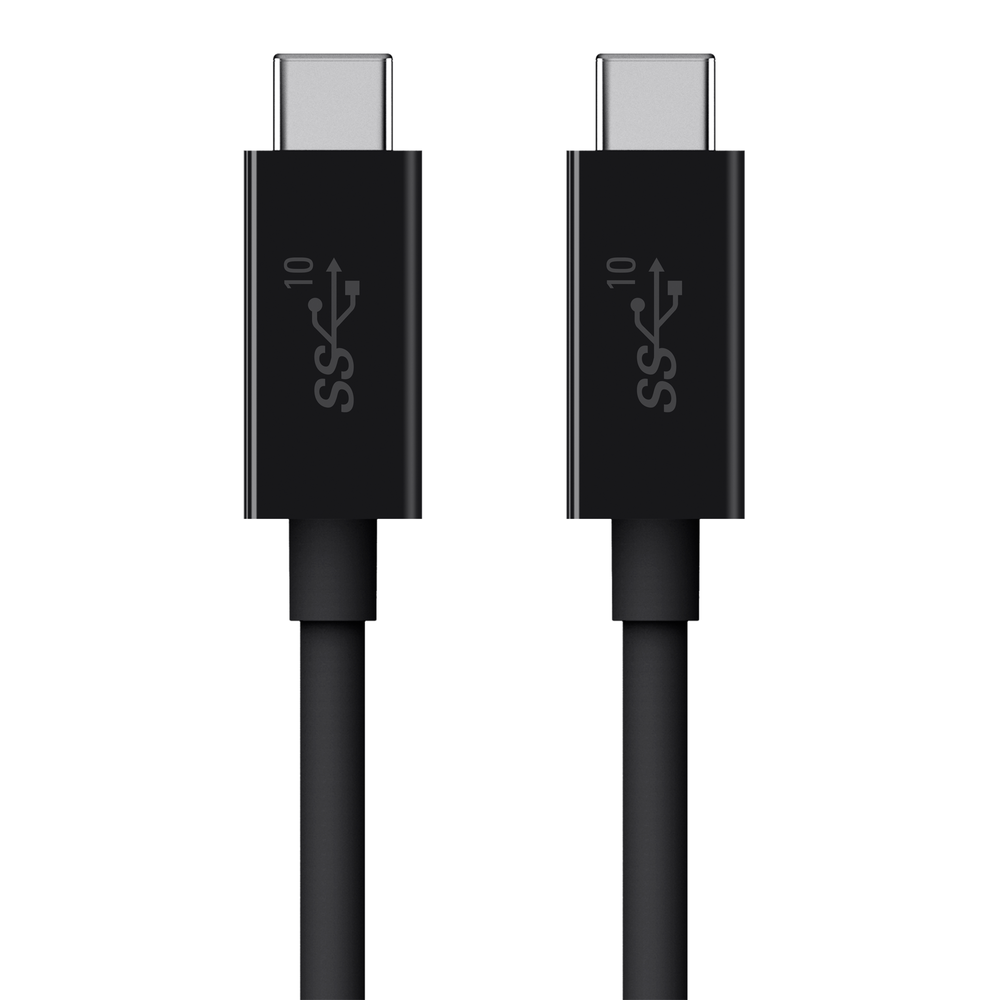
Belkin US
3.1 USB-C to USB-C Data Transfer Charging Cable | Belkin, Black
$(document).ready(function(){ $(\"#usb_c_pencil-banr\").load(\"/resources/static-pages/belkin-usb-c.html #us\");$(\"#usb_c_cable_finder\").load(\"/resources/static-pages/belkin-usb-c_cable_finder.html #us\"); }); THE ULTIMATE USB CONNECTIONThe Belkin 3.1 USB-C to USB-C Data Transfer Charging Cable allows you to experience up to 10 Gbps transfer speeds,…
$24.99
$29.99
Price as of October 27, 2026
Social media accelerates all three. Algorithms do not ask whether something is true. They ask whether it performs.
If engagement is the metric, outrage becomes the business model.
Understanding this distinction is foundational to truth in social media. Not every false claim requires the same response. Some require correction. Others require containment.
How Conspiracy Theories Gain Traction
Conspiracy theories flourish during uncertainty. Economic stress, political polarization, health crises, and technological disruption create psychological demand for simple explanations.
Most conspiracy theories share common traits.
They present hidden villains.
They claim exclusive knowledge.
They discourage verification.
They reframe skepticism as ignorance or complicity.
Social platforms amplify these narratives because they trigger emotion. Fear, anger, and righteousness drive shares.
The challenge is not just debunking false claims. The challenge is addressing why people believe them in the first place.
Tools You Already Have on Your Phone
You do not need a newsroom to verify information. Modern smartphones are verification devices if used correctly.
Reverse Image Search
Most viral misinformation relies on recycled images. A reverse image search can reveal when and where a photo originally appeared.
Google Lens and Apple Visual Lookup can instantly identify reused or manipulated imagery.
Built In Fact Checking
Search engines prioritize authoritative sources for major claims. When verifying truth in news, compare headlines across multiple outlets rather than trusting a single screenshot.
Video Scrubbing
Pausing videos and searching exact quotes often reveals edited or context stripped clips. Many viral videos are real events misrepresented by false captions.
AI Assisted Summarization
AI tools can summarize long articles, identify claims, and help users compare multiple sources quickly. AI is not the authority. It is the accelerator.
AI does not decide what is true. It helps you decide faster.
Verifying Sources the Right Way
Source verification is the backbone of truth in reporting.
Ask simple questions.
Who published this?
What is their reputation?
Do they issue corrections?
Are they citing primary sources?
Is the author identifiable?
If a claim traces back to anonymous social accounts, unsourced blogs, or screenshot based evidence, skepticism is not cynicism. It is responsibility.
Credible News Sources I Rely On
I have always been transparent about how I evaluate information. I rely on outlets with long standing editorial standards, correction policies, and public accountability.
Examples include
Reuters
Associated Press
BBC News
ProPublica
The Wall Street Journal
The New York Times
These organizations are not perfect. No outlet is. But they operate under systems that penalize falsehoods and reward accuracy.
Truth is not about ideological comfort. It is about evidence.
News Versus Entertainment Posing as News
Confusion often arises when opinion programming is mistaken for journalism. Both have a place, but they serve different purposes.
Below is a simplified comparison. This is both objective and subjective, based on editorial standards, sourcing practices, and intent.
News Outlets Focused on Reporting
Reuters
Associated Press
BBC News
NPR News
ProPublica
Entertainment and Opinion Shows Posing as News
Cable opinion primetime shows
Political commentary channels
Influencer led news commentary streams
Talk shows framed as reporting
These programs may discuss real events, but their primary goal is engagement, persuasion, or brand building rather than verification.
Journalism informs. Entertainment persuades.
Understanding this distinction protects truth in social media from being diluted by performance.
How to Respond Without Escalation
Correcting misinformation does not require confrontation. In fact, confrontation often backfires.
Respond at the reader’s level. Use plain language. Avoid technical jargon unless necessary.
Provide sources instead of insults.
Ask questions instead of making accusations.
Example responses work better than rebuttals.
This approach preserves dignity while reinforcing truth in news principles.
AI as a Truth Verification Partner
AI excels at pattern recognition, comparison, and summarization. It can help identify inconsistencies, compare timelines, and surface primary sources.
However, AI inherits bias from data and prompts. Blind trust in AI is just another form of outsourcing responsibility.
The correct posture is collaborative.
Human judgment sets the goal.
AI accelerates the process.
Evidence determines the conclusion.
This partnership strengthens truth in reporting rather than replacing it.
The Cost of Ignoring Truth
False narratives do real damage.
They erode trust in institutions.
They radicalize communities.
They distort public policy.
They harm individuals through false allegations.
Choosing truth is not passive. It is an active discipline.
Final Thought
Truth does not require perfection. It requires effort.
In a world flooded with content, choosing verification over virality is a quiet form of leadership. At MyrinNew.com, truth is not a slogan. It is an operating system.
If we care about truth in news, truth in reporting, and truth in social media, we must treat verification as a daily habit, not an occasional reaction.
The future does not belong to the loudest voice. It belongs to the most credible one.